
RONGEURS
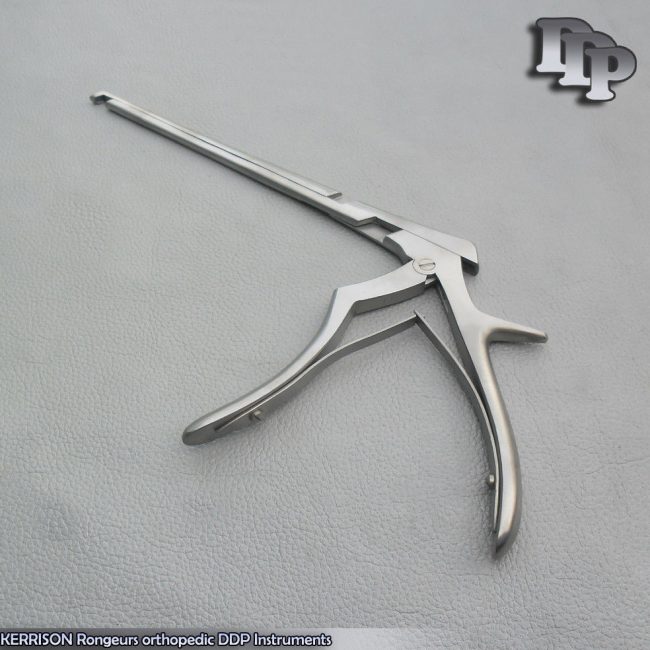
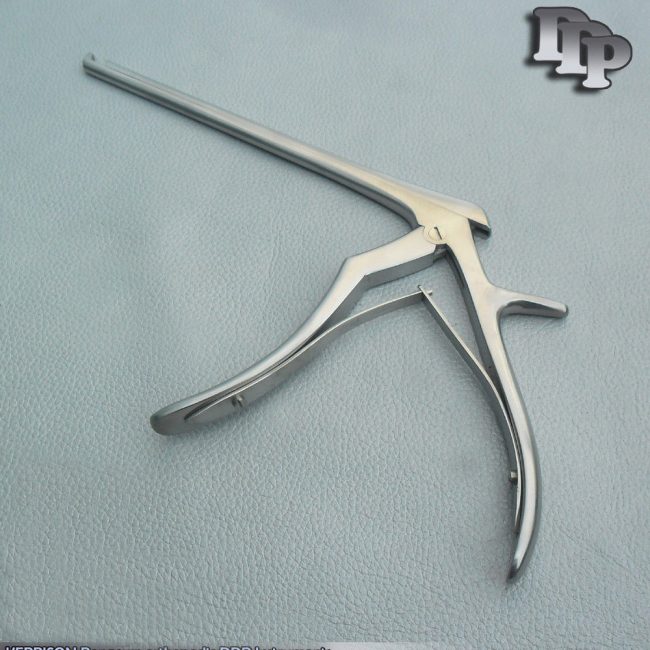
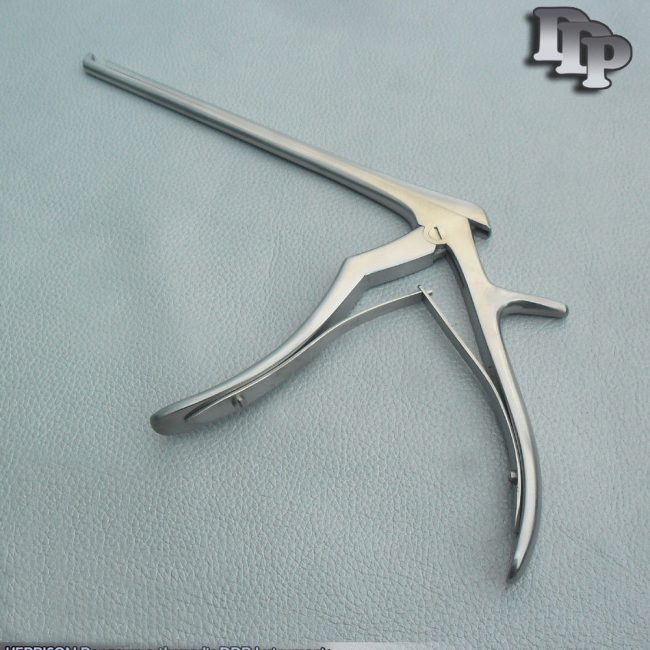
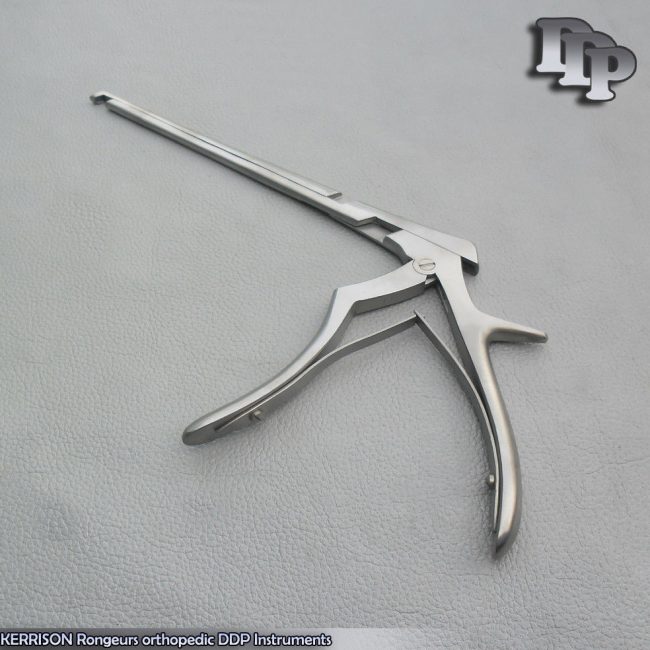
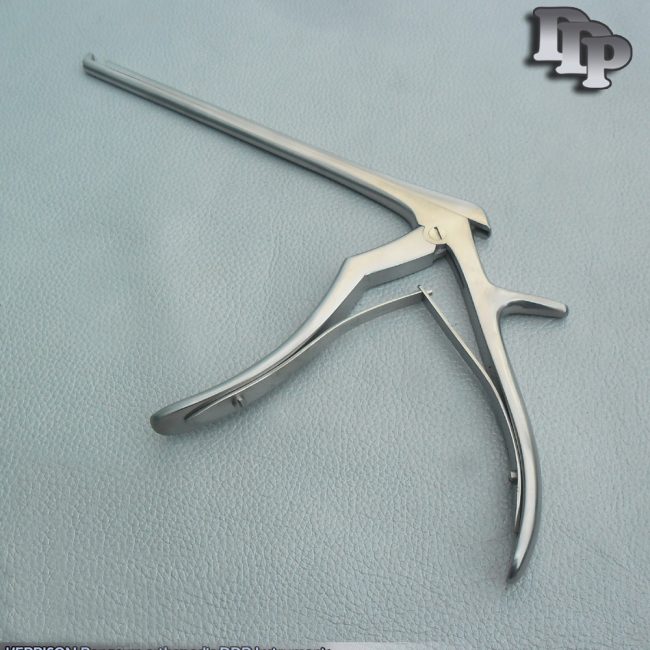
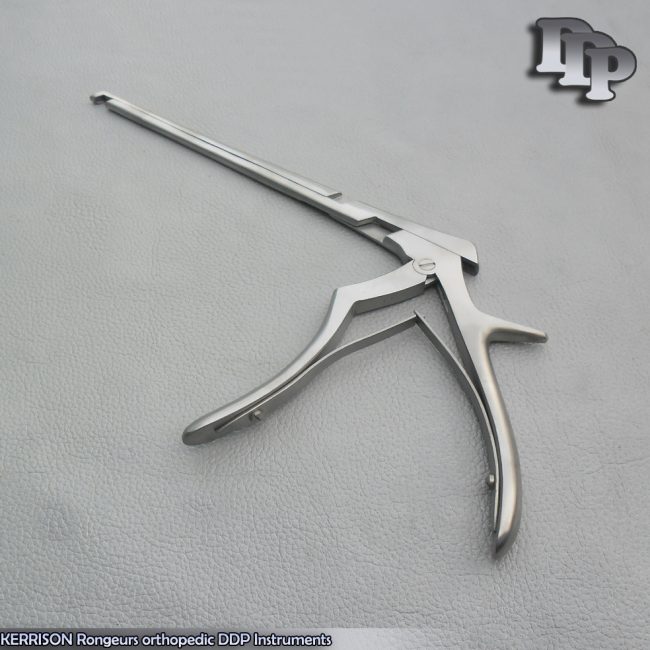
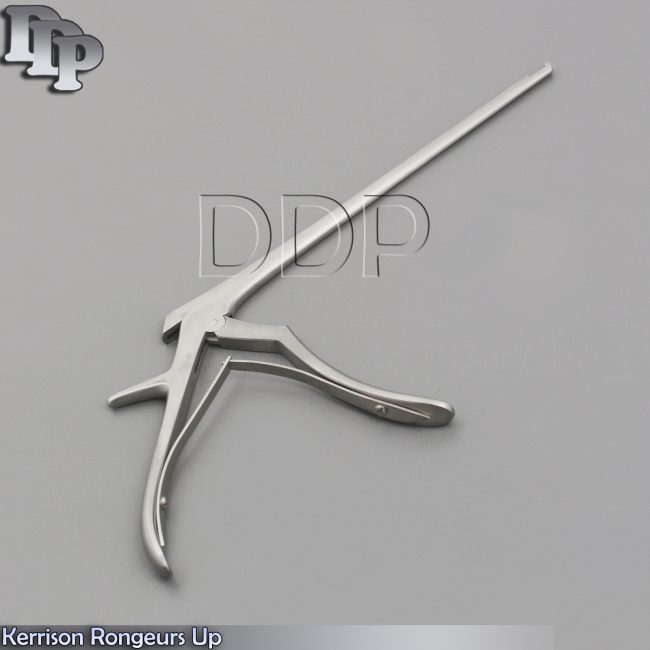
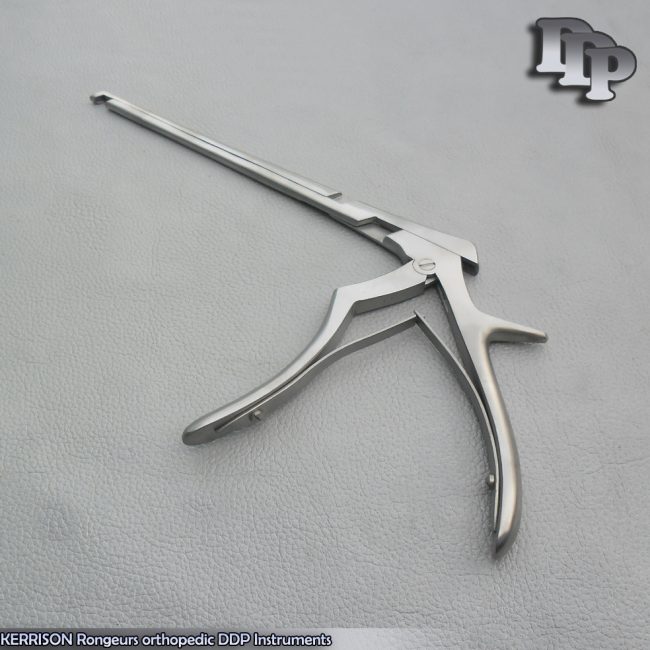
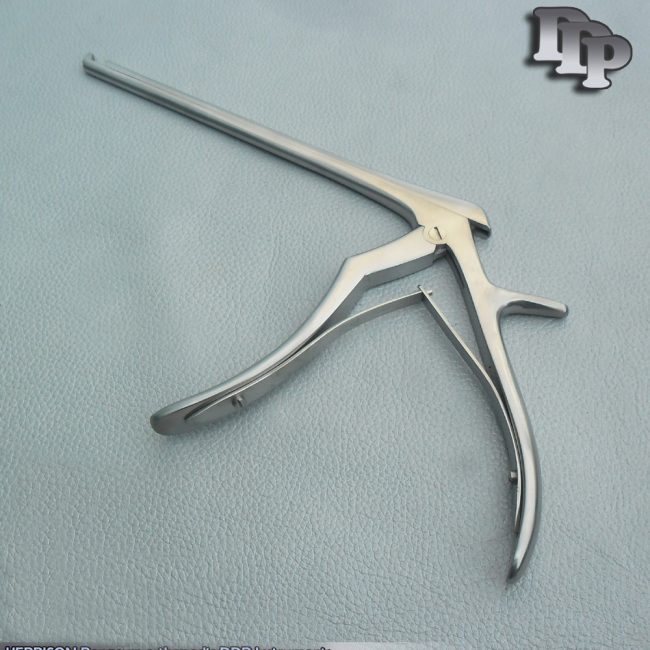
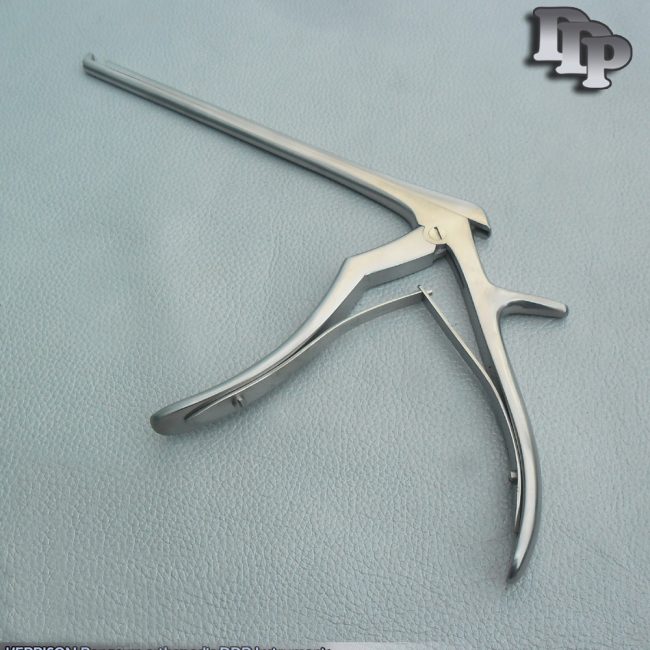
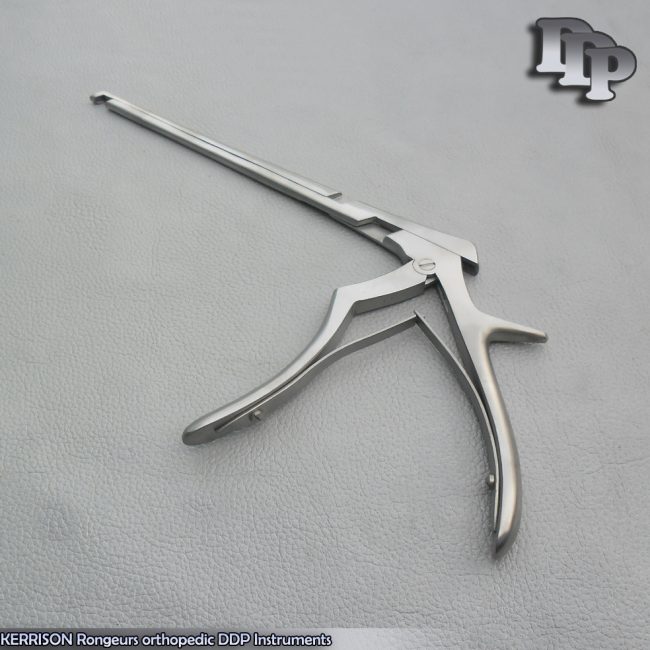
Kerrison rongeurs are precision surgical instruments used to bite away small pieces of bone during spinal and neurosurgical procedures, including laminectomy and decompression operations. Each instrument pairs a cupped, sharp-edged jaw with a slender 7" shaft, allowing surgeons to remove bone and soft tissue with controlled cuts in narrow surgical fields. Our selection spans bite sizes from 1mm to 6mm in up-cut and down-cut configurations with 40° and 90° cutting angles, in both standard and bayonet-style shafts — all crafted from quality stainless steel.
Matching the bite size and cutting angle to the procedure is key. A 1mm up-cut 90° kerrison rongeur gives fine, controlled bone removal near delicate structures, while a 2mm up-cut 90° kerrison rongeur handles slightly larger resections. For downward cutting angles, our 1mm 40° downward kerrison rongeur and 2mm 40° up-cut kerrison rongeur give surgeons flexible options for different anatomical approaches.
Affordable Kerrison Rongeurs from $29.99 with Same-Day Dispatch
Premium kerrison rongeurs elsewhere can cost $719 or more per instrument. At DDP Instruments, kerrison rongeurs start at just $29.99 and ship with same-day dispatch from our Miami, FL warehouse. If you need help choosing the right bite size or angle, or want volume pricing for your facility, contact our team for product guidance.
Kerrison Rongeur FAQs
What is a kerrison rongeur used for?
A kerrison rongeur is a surgical instrument used to remove small pieces of bone during spinal surgery and neurosurgery. It is commonly used in laminectomy, spinal decompression, and discectomy procedures to clear bone and soft tissue and create space around the spinal cord and nerves.
How do I choose the right bite size?
Bite size is the width of bone removed with each cut, typically ranging from 1mm to 6mm. Smaller bites (1–2mm) suit delicate, precise work near nerves and the spinal cord, while larger bites (3–6mm) remove bone more quickly in open areas. Many surgeons keep several sizes on the tray to match each stage of the procedure.
What is the difference between up-cut and down-cut kerrison rongeurs?
An up-cut (up-biting) kerrison cuts on the upward stroke, lifting tissue away from the surface below, while a down-cut (down-biting) kerrison cuts downward. The choice depends on the surgical approach, the anatomy being accessed, and surgeon preference.
What is the difference between 40° and 90° kerrison rongeurs?
The angle describes the orientation of the cutting jaw relative to the shaft. A 90° kerrison has the jaw perpendicular to the shaft for straight-on cutting, while a 40° angled jaw gives a different working angle that can improve access and visibility in tight anatomical spaces.
How should kerrison rongeurs be cleaned and sterilized?
Rinse kerrison rongeurs promptly after use to remove blood and tissue, then clean thoroughly with an enzymatic detergent and a soft brush — paying attention to the jaw and hinge mechanism. Rinse, dry completely, and sterilize following your facility's validated autoclave protocols, with hinged instruments in the open position.
How fast will my kerrison rongeur order ship?
Orders from DDP Instruments ship with same-day dispatch from our Miami, FL warehouse. For delivery estimates, bulk orders, or international shipping questions, contact our team.
 No products in the cart.